






Most of us have seen inspiring images of amputees competing in athletics and veterans seamlessly returning to the civilian workforce.
Unfortunately, those amputees are the exception and not the norm. The level of care needed to reach those achievements is a distant dream for most of the 5 million Americans living with limb differences.
Experts agree that the best outcomes for amputee care occur with integrated plans, developed in collaboration with several medical specialties. Integrated care plans developed through the collaboration of many specialties including surgeons, physiatrists, prosthetists, physical and occupational therapists, biomedical engineers, rehabilitation psychologists, and social scientists are known to provide the best results. Despite this knowledge, few higher education institutions provide a cross-discipline exposure to students in a rehabilitation science doctoral program.
The Mobility is Freedom Fund (MiFF) is a nonprofit organization and we are a team of forward-thinking innovators in education, developing strategies to enhance higher education in rehabilitation sciences with a focus on amputee care. We believe that all persons who experience limb loss have a right to access multidisciplinary rehabilitation treatment.
Learn how Mobility is Freedom Fund support is impacting rehabilitation sciences with a focus on amputee care at leading instututions of higher education.
MiFF endeavors to relieve the suffering of individuals and families, with no discrimination as to nationality, race, religious beliefs, or class, and to support underserved communities. For example, the largest causes of limb loss in the U.S. are diabetes, vascular disease, and traumatic injuries, disproportionately affecting veterans and communities of color. Unfortunately, two-thirds of these patients never receive a physician's prescription for a prosthesis after amputation because they are frequently deemed to have too many comorbidities and too inactive a lifestyle.
MiFF believes that mobility is a human right. All patients should have access to a prosthesis to allow them to work, socialize, and engage in their community. Our project prioritizes health equity by bringing information and attention to underrepresented groups of people. Whether the cause is childhood cancer, diabetes, trauma, or combat, we passionately believe every person suffering deserves the best possible outcome.
The Scholar Award supports the research and training of doctoral students advancing knowledge and publication related to integrated, multidisciplinary care for amputees and persons with mobility impairments.
Awards are directed at third-year PhD candidates committed to multidisciplinary integrated amputee care. Each award disburses $50,000 per year, covering the final two years of the doctoral program.
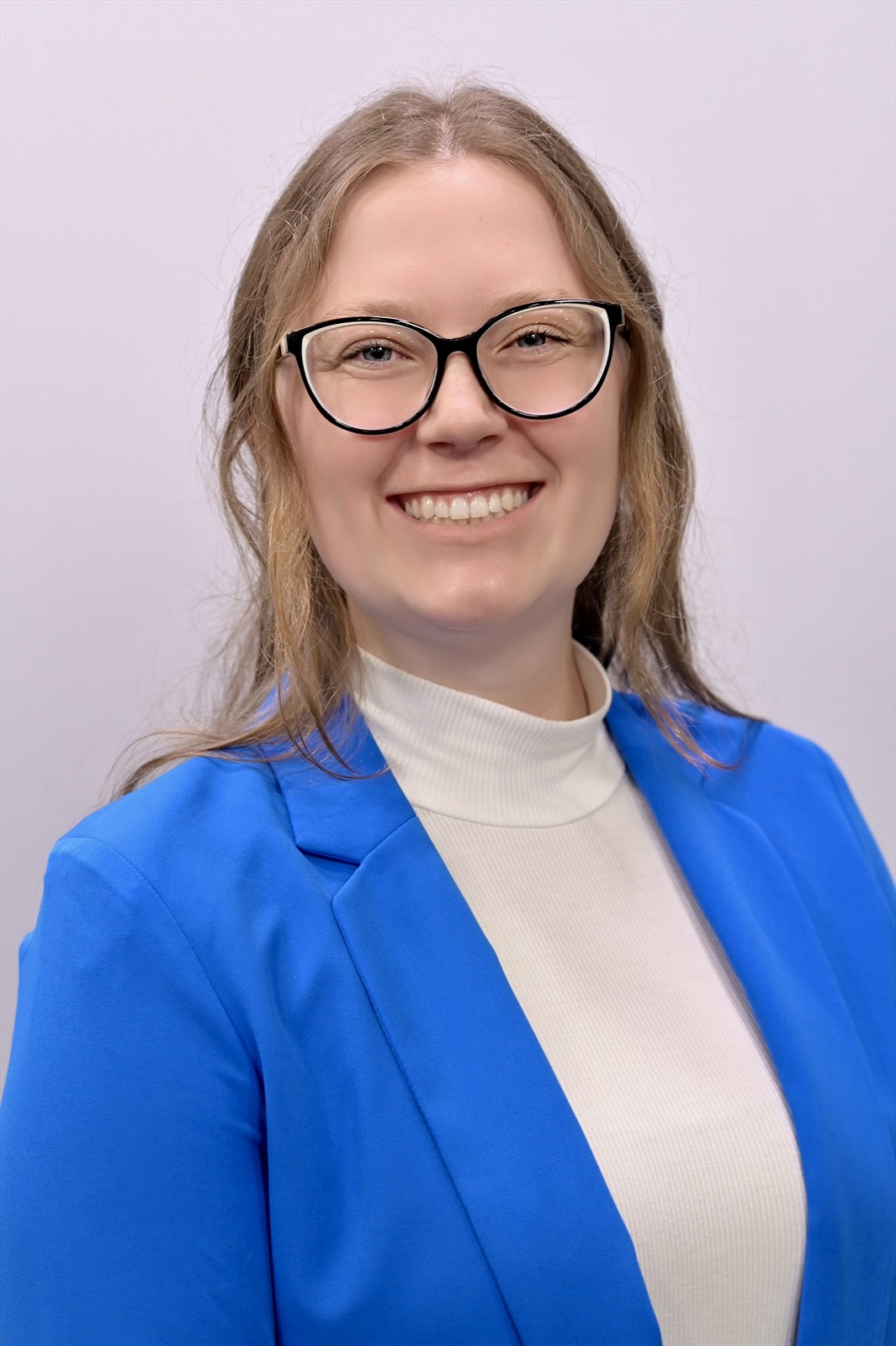
Facilitating Optimal Care Through Understanding Self-Efficacy After Lower-Limb Amputation (FOCUS-ALL)


people in the United States are living with limb loss and differences. The largest causes are diabetes, vascular disease, and traumatic injuries, disproportionately affecting veterans and communities of color. The ADA reports that more than 80,000 diabetes-related lower-limb amputations are performed annually, and another estimated 30,000 result from peripheral vascular disease.
Cynthia Chude follows the paper trail from a diabetes diagnosis to a lost limb — discovering that outcomes often turn on billing codes, referral rules, and a patient's zip code.

A prosthetist-turned-researcher interviewed people who had lost a leg — and found the hardest part came after, in the silence and the paperwork.

MIFF's largest gift built a doctoral program at Johns Hopkins — to create the leaders, educators, and researchers urgently needed in the field.

Charles Dankmeyer, Jr., a New York University graduate, is a Certified Orthotist and Prosthetist who retired after 46 years at Dankmeyer, Inc. in Maryland, where he was President. He held leadership roles, including President of the American Orthotic and Prosthetic Association and the American Board for Certification. He served as Trustee at CARF, on the American Academy of Orthotists and Prosthetists Board, and chaired the Chesapeake Employers' Insurance Company Board.

Thomas Fise, an attorney (B.A., M.A., J.D., LL.M.), has dedicated his career to managing healthcare-focused non-profits. He served as Executive Director of the American Orthotic & Prosthetic Association for 12 years and previously led various physician organizations, including the American College of Gastroenterology (ACG). At ACG, he secured legislative advances for colorectal cancer screening and oversaw significant patient education programs. His work spans 30+ years in healthcare research, founding institutes and supporting outcomes-focused studies like AOPA’s RAND study. Since 2021, he has volunteered as Vice President of the Mobility is Freedom Fund, promoting improved patient care.

Kenton R. Kaufman, Ph.D., is a registered professional engineer with expertise in measurement of 3D human motion. He is the W. Hall Wendel Jr Musculoskeletal Research Professor, Professor of Biomedical Engineering, Professor of Orthopedics, Director of the Motion Analysis Laboratory, and Consultant in the Departments of Orthopedic Surgery, Physiology and Biomedical Engineering at Mayo Clinic.
Professor and Associate Chair, Department of Rehabilitation Medicine UW Medicine
Program Director, Division of Prosthetics and Orthotics
Senior Vice President and Chief Scientific Officer
Shirley Ryan AbilityLab, Northwestern University Feinberg School of Medicine
Professor
Chair for Clinical Affairs, Department of Physical Medicine and Rehabilitation
Managing Director Outpatient Services
Johns Hopkins University School of Medicine


